What Made in Italy Really Means
共有
Today, everyone talks about Made in Italy.
We see it on labels, in shops, in advertising campaigns, and in stories about quality, beauty, and style. Over time, Made in Italy has become a symbol known all over the world. It speaks of elegance, culture, taste, and tradition.
But for us at Gala Gloves, Made in Italy is not just a name.
It is not only a label.
It is not a marketing phrase.
It is not something we use simply because it sounds beautiful.
For us, Made in Italy is a responsibility.
It is history.
It is memory.
It is craftsmanship.
It is the slow time of skilled hands.
Behind these three words, there is a world that is often invisible. A world made of people, workshops, old tools, gestures repeated for generations, and hands marked by years of work.
There are ancient crafts that still survive, even if the world around them moves faster every day.

This is where our story begins.
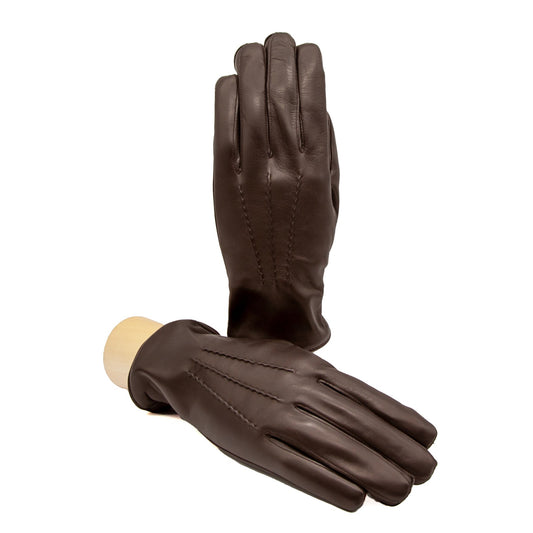
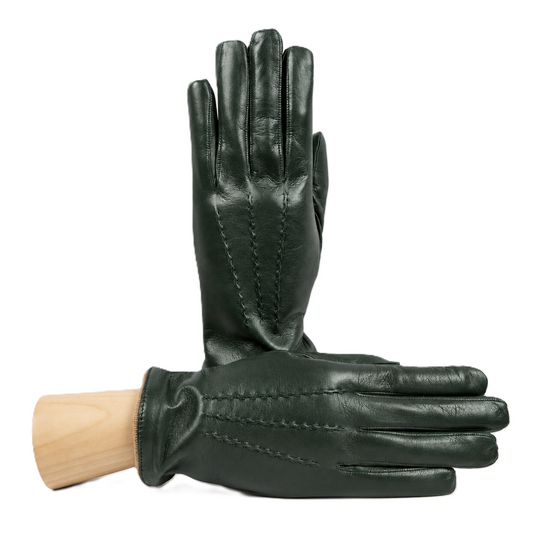
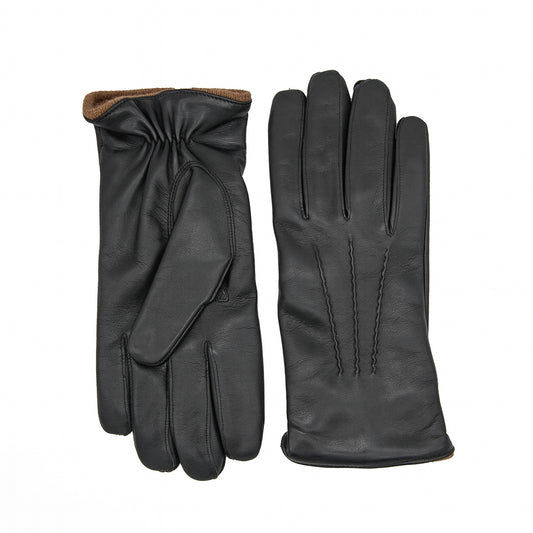
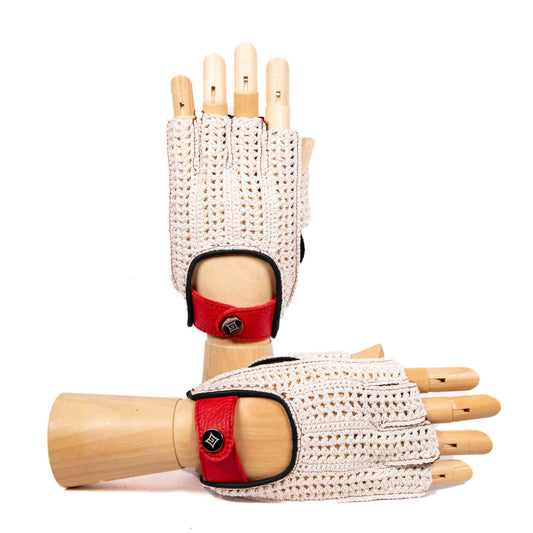
Gala Gloves was born in Naples, inside a small but precious part of Italian craftsmanship: Neapolitan glove making.
It is an old craft, deeply connected to the history of our city. Naples has been known for its glove makers since the Bourbon period. Over time, this knowledge became more refined, more precise, and more demanding.
A glove slowly became much more than an accessory.
It became an object of balance, elegance, and precision. Something small, but never simple. Something that needs experience, patience, and respect for the material.
To make a glove, you must first understand the leather.
You must touch it. You must study it. You must listen to it.
An expert cutter does not look at a piece of leather only for what it is. He imagines what it can become. He sees the glove before it is born.
He knows where to cut, which parts to avoid, how to follow the natural character of the leather, and how to respect every detail of the material.
This work cannot be rushed.
It needs an experienced eye.
It needs knowledge.
It needs time.

Then come the stitches.
Many of our gloves are sewn by hand, stitch after stitch. This is slow work. Silent work. Work that asks for patience and concentration.
Many of our seamstresses are women who carry a rare knowledge in their hands. Their hands move with precision, calm, and experience. They follow a rhythm that today can seem almost forgotten.
Sewing a pair of handmade leather gloves takes hours.
It takes attention.
It takes care.
It takes love for details.
And above all, it takes respect for the craft.

Today, everything moves quickly.
We live in a world that wants things fast, immediate, and always available. Very often, value is measured by speed, quantity, and efficiency.
In this world, keeping an artisan workshop alive is not easy.
Choosing the slower path is not easy.
Continuing to believe in an ancient craft is not easy.
Making handmade gloves in Naples, as they have been made for generations, is not easy.
And yet, we continue.
We continue because we believe that true luxury today is time.
The time to stop.
The time to observe.
The time to understand a living material like leather.
The time to do things well, not only quickly.
For us, luxury is not only what shines. It is not only what is rare or expensive.
True luxury is a pair of hands that still knows how to create.
Hands with wrinkles, small cuts, signs of work, and years of experience. Hands that are not perfect, but real. Hands that tell a story. Hands that carry the value of something that cannot be improvised.

To understand what Made in Italy means for Gala Gloves, we asked
Alessandro Pellone, third generation of the family and creative soul of the company, to share his point of view.

For us, Made in Italy means three things: responsibility, pride, and commitment.
Responsibility, because we must respect what we represent. We cannot betray our roots, our family history, or the culture that has been handed down to us.
Pride, because this craft belongs to our family, to Naples, and to our history.
Every day, I try to honour what my grandmother and my father built before me. What they taught me was not only a technique. It was a way of looking at a product, at time, and at quality.
You often speak about heritage. Is heritage enough to keep a craft alive?
No. Heritage alone is not enough at all.
We must protect what we have received, but we must also allow it to evolve. We must remain faithful to our origins, while continuing to search, study, and experiment.
New techniques.
New materials.
New ways to tell the story of our work.
The world changes, and craftsmanship must be able to speak to the present. But it must do so without losing its soul.
What is the greatest challenge for Made in Italy today?
One of the greatest challenges is that Made in Italy risks becoming just a beautiful expression. A phrase used too often, until it loses its deeper meaning.
But behind these words, there are people.
There are hands.
There are skills.
There are sacrifices.
There are entire generations of artisans.
Made in Italy must never become only a label. It must remain a culture of quality, work, patience, and respect. Respect for the material, and respect for the people who transform it.
If we lose these values, we lose the most authentic meaning of what the world recognises in Italian craftsmanship.
How can this heritage be protected?
With daily choices.
By continuing to produce with seriousness.
By training new hands.
By showing what happens inside our workshops.
Very often, people see only the finished glove. They do not see the journey behind it.
They do not see the cutting, they do not see the sewing, they do not see the choice of leather,they do not see the mistakes, the corrections, the patience, and the experience behind every detail.
A handmade object is never born in a hurry. It needs time. It needs attention. It needs patience.
Why is it important to speak to younger generations?
Because today, perhaps more than ever, we must make this craft meaningful again for younger generations.
Not as nostalgia for the past, but as a real possibility for the future.
A craft survives only if someone decides to learn it, love it, and carry it forward.
Gala Gloves has almost one hundred years of history. What has remained unchanged?
In almost one hundred years, Gala Gloves has lived through changes, trends, markets, and generations.
But one thing has remained the same: the desire to protect authentic knowledge.
We do not only want to make gloves. We want to keep a craft alive.
Behind every pair of Gala Gloves, there are choices, steps, corrected mistakes, and gestures repeated thousands of times.
There is the patience of the person who cuts.
There is the precision of the person who sews.
There is the experience of the person who checks.
There is the passion of those who still believe that a handmade product has a different soul.
So, what is true Made in Italy for you?
This is our Made in Italy.
Not a word to show off.
But a heritage to honour.
Not a simple label.
But a daily commitment.
Not only beauty.
But a culture of work.
For us, true Made in Italy is made of people.